
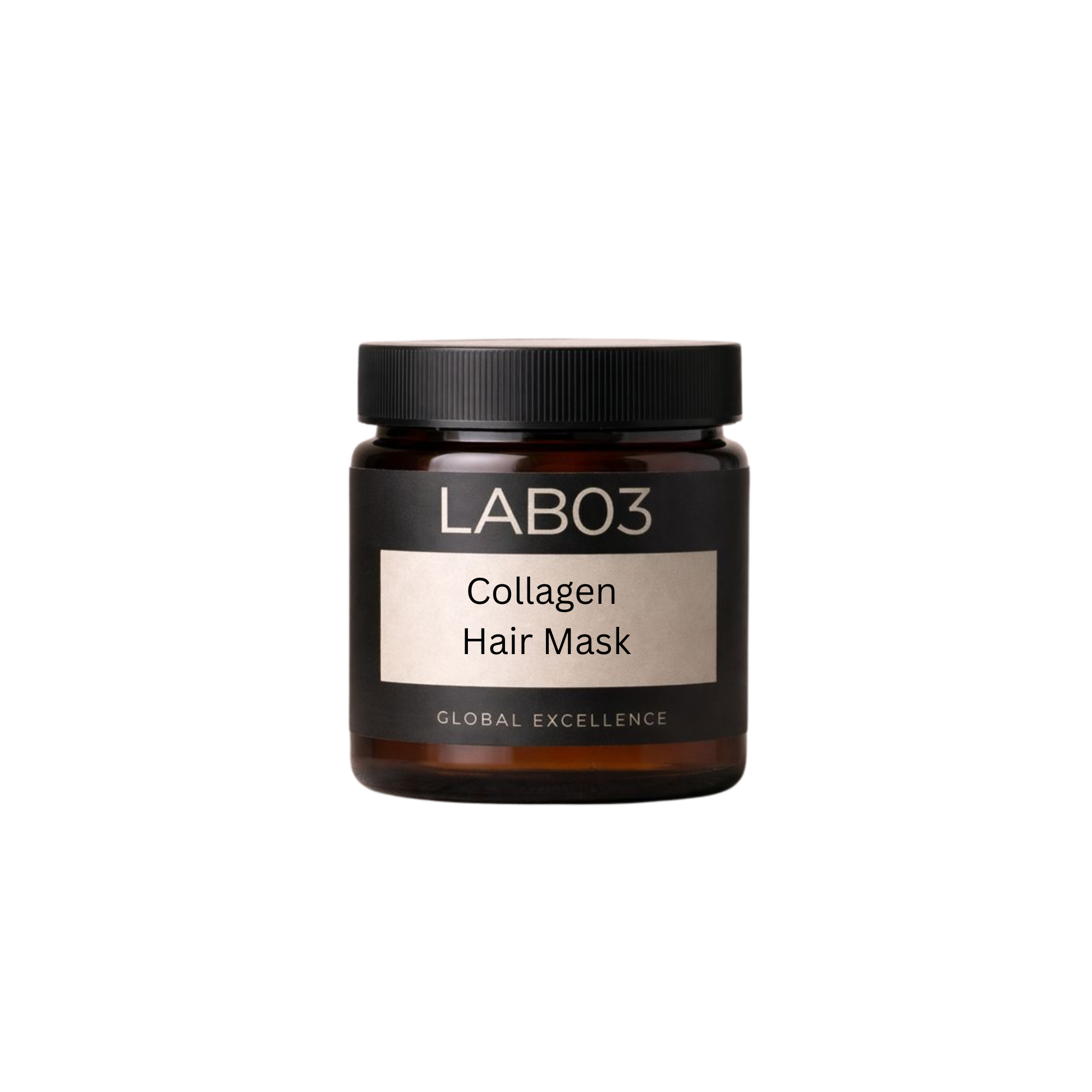
Strength & Repair Collagen Hair Mask — Private Label UAE
Additional information
Strength & Repair Collagen Hair Mask is developed for premium private‑label and OEM lines,
delivering reliable performance, consistent quality, and standout brandability. Our R&D can tailor
the formula to your target market—from actives and fragrance to texture, viscosity, and packaging—so
you can launch faster with a product that aligns with your positioning. Each batch is crafted under
stringent quality controls and validated against international cosmetic standards. Quotations are
provided within 24–48 hours, and free sampling is available to help you finalize selection before
production. Ideal for brands seeking scalable manufacturing in the GCC and worldwide, with
export‑ready documentation.
MOQ
Flexible
Turnaround
2-4 weeks
Quote
Within 24-48 hrs
Export
UAE · GCC · EU · USA
Free Formulation on orders above 20,000 AED ($5,500). T&C apply.
GMP-ISO 22716
Certified
ISO 14001
Environmental
Made in UAE
Sharjah
GCC Compliant
Export ready
About this formulation
Hair damage is cumulative and structural — each bleaching session, each heat styling cycle, each alkaline shampoo wash, and each UAE UV exposure event breaks down the disulfide bonds that hold the hair’s keratin protein chains in their correct structural alignment. A damaged hair shaft is not merely dry — it is physically weakened at the molecular level, with micro-fractures in the cortex, lifted and eroded cuticle scales, and depleted protein mass that cannot be restored by conditioning agents alone. A conditioner addresses the surface — it smooths the cuticle and provides temporary moisture retention. A repair hair mask addresses the structure — it delivers protein at the molecular weight range that penetrates into the cortex and bonds with the weakened keratin chains, physically reinforcing the hair from within.
The triple protein system is the formulation architecture that distinguishes this mask from a standard conditioning treatment. Hydrolysed marine collagen (low molecular weight, 500–1000 daltons) provides the smallest protein fragments that penetrate deepest into the cortex — bonding with keratin protein chains at the structural level and filling the protein voids that chemical damage creates. Hydrolysed keratin (medium molecular weight, 1000–3000 daltons) is specifically matched to the hair’s own protein structure — it bonds electrostatically to the hair’s keratin chains and deposits where the surface cuticle is most damaged and porous, reinforcing the cuticle edge. Matrixyl peptide complex provides the signalling peptides that stimulate the hair follicle’s own keratin synthesis, addressing the underlying protein depletion that makes damaged hair grow out structurally weaker than healthy hair.
Argan oil and shea butter in the formula provide the lipid phase that damaged hair requires alongside protein replenishment — a purely protein-heavy treatment that lacks an emollient component produces hair that is temporarily reinforced but rigid, brittle-feeling, and over-proteined. The balanced protein-to-lipid ratio in this formula is the difference between hair that feels strengthened and conditioned versus hair that feels stiff and over-treated. Panthenol and betaine provide humectant moisture that completes the treatment’s three-component repair: protein (structure), lipid (flexibility), moisture (hydration).
Three intensity variants — Nourishing, Repair, and Intensive Bond Repair — address different damage levels and market channels. Manufactured under ISO 22716 GMP in Sharjah, UAE.
Key benefits
- Triple protein system — hydrolysed marine collagen + hydrolysed keratin + Matrixyl peptide; three molecular weight ranges address repair from cortex to cuticle surface
- Structurally repairs damaged hair — not just conditioning; protein bonding fills cortex voids and reinforces cuticle integrity from within
- Reduces breakage — measurably reduces hair breakage during combing and brushing by restoring tensile strength to the weakened shaft
- Argan oil and shea butter lipid phase — prevents over-proteining by balancing protein repair with essential lipid replenishment for flexible, conditioned strength
- UAE-specific damage context — UV photo-damage, hard water mineral deposits, heat cycling, and high salon activity make weekly protein repair more essential in UAE than any other market
What's Inside?
Structural Repair — Primary Protein
Hydrolysed Marine Collagen
Hydrolyzed Collagen (Marine-derived) Low molecular weight marine hydrolysed collagen (500–1000 daltons) — small enough to penetrate through the lifted and porous cuticle of chemically damaged hair into the cortex, where it fills protein voids and forms hydrogen and electrostatic bonds with the depleted keratin chains. Marine collagen has the highest biocompatibility of any collagen source (its amino acid profile more closely matches human and hair protein than bovine sources) and produces the finest peptide fragments after hydrolysis — enabling deeper cortex penetration. The "collagen" name on the label resonates strongly with UAE consumers who associate collagen with luxury skincare, adding premium brand value alongside the genuine performance benefit.
Surface Repair — Hair-Identical Protein
Hydrolysed Keratin
Hydrolyzed Keratin Hair's own structural protein, hydrolysed to medium molecular weight fragments (1000–3000 daltons) that bond electrostatically to the negatively charged sites of chemically damaged cuticle scales — physically sealing the lifted, eroded cuticle edges that cause frizz, dullness, and increased porosity. Unlike collagen (which fills internal voids), keratin deposits primarily at the cuticle surface and outer cortex — smoothing the surface layer and reducing the roughness that causes light scattering (dullness) and fibre-to-fibre friction (frizz). The combination of collagen (internal) and keratin (surface) addresses hair damage at two distinct structural levels.
Bond Stimulation — Variants 02 & 03
Matrixyl Peptide Complex
Palmitoyl Tripeptide-1, Palmitoyl Tetrapeptide-7 In hair care application, Matrixyl's signal peptides stimulate the follicle's dermal papilla cells to increase keratin synthesis — addressing the source of damaged hair growing out structurally weaker than healthy hair (the follicle's reduced protein production capacity following repeated chemical stress). Unlike the deposited proteins (collagen and keratin), which repair existing damaged hair, Matrixyl peptide works on the follicle to produce structurally stronger new growth. At the strand level, Matrixyl's fatty acid anchor (palmitoyl chain) provides additional cuticle-sealing lipid deposition alongside the peptide signalling function.
Bond Building — Variant 03
Maleic Acid (Bond Builder)
Maleic Acid Maleic acid is a dicarboxylic acid that forms bis-maleic acid crosslinks between the cysteine-rich protein chains within the hair cortex — chemically rebuilding the disulfide bond crosslinks that bleaching and chemical damage break. At the correct pH and concentration, maleic acid bridges adjacent protein chains to restore the hair's natural elastic recoil and tensile strength at the molecular bond level. This is the "bond builder" mechanism popularised by professional salon bond-multiplier treatments — the Olaplex-adjacent chemistry that distinguishes Variant 03 as a genuine structural rescue product for severely bleached and over-processed hair, not merely a deeply conditioning treatment.
Lipid Replenishment — All Variants
Argan Oil + Shea Butter
Argania Spinosa Kernel Oil, Butyrospermum Parkii Butter The essential lipid counterbalance to the protein system — a mask with high protein concentration and no emollient component produces hair that feels temporarily stronger but rigid, over-proteined, and brittle. Argan oil delivers oleic and linoleic acid to replenish the lipid bilayer surrounding each cortical macrofibril that UV and chemical damage degrade; its natural Vitamin E provides antioxidant protection against ongoing UV oxidative damage in UAE conditions. Shea butter contributes fatty acids and unsaponifiables that restore suppleness and moisture retention. Together they ensure the protein-repaired hair is both strong and flexible — not stiff.
Moisture & Elasticity
Panthenol + Betaine
Panthenol (D-Panthenol), Betaine Panthenol penetrates the hair shaft and converts to pantothenic acid, binding water within the cortex and improving hair elasticity — the mechanical property that allows hair to stretch under tension before breaking. Increased elasticity directly reduces breakage during combing and brushing of damaged hair. Betaine is a naturally occurring amino acid derivative (from sugar beet) that acts as an osmoprotectant — it draws and retains water in the hair shaft, maintaining cortex hydration throughout the day after treatment. Together panthenol and betaine provide the moisture component of the treatment's three-part repair system: protein (structure) + lipid (flexibility) + moisture (hydration).
Conditioning & Detangling
Behentrimonium Methosulfate + Cetearyl Alcohol
Behentrimonium Methosulfate, Cetearyl Alcohol The cationic conditioning and emulsification system that gives the mask its cream texture and provides detangling slip during application to damaged hair — which is typically severely tangled and fragile during the wet application phase. Behentrimonium methosulfate bonds electrostatically to the negatively charged damaged hair surface, providing immediate detangling, anti-static effect, and surface conditioning. Cetearyl alcohol provides the cream emulsion base structure, the mask's characteristic opaque white appearance, and additional emollient conditioning. Both are mild enough for colour-treated hair and do not interfere with the protein bonding system.
Full INCI list available once the formula and sample are approved. Formula can be adjusted to include or substitute any active
Make it yours — full customisation available
Formula customisation
Variant: Nourishing (V1) / Repair (V2) / Intensive Bond Repair (V3) Collagen source: marine (standard, highest biocompatibility) / vegan wheat or soy alternative Keratin source: standard / vegan plant-derived alternative Protein concentration: adjustable per variant — contact R&D for clinical concentrations Maleic acid: V3 exclusive; concentration formulation-controlled for safety Scent: light floral (standard) / unscented / rose / argan & wood / custom Vegan, halal options available (vegan collagen and keratin alternatives)
Packaging Options
Wide-neck jar (recommended for mask — fingertip or paddle application) Tube with large opening (travel, salon professional dispensing) Sizes: 150ml · 250ml · 500ml (salon professional) Material: HDPE or PET jar / frosted glass jar (premium positioning) Spatula or paddle applicator included for jar format Colour: white / deep purple / matte black — aligned with brand identity
Label & Branding
Full custom label design (we work with your agency) Your brand name, logo, and brand identity Bilingual labelling (Arabic + English) standard for UAE “Collagen” · “Keratin” · “Bond repair” · “Hydrolysed protein” claims on label Intensity level: “Nourishing” / “Repair” / “Intensive” differentiation Application instructions mandatory — dwell time and heat guidance essential
Add-on Avtices from our Bank
Ideal for your sector
Hotels & Resorts
Luxury hair treatment amenity and boutique retail A hotel spa's branded collagen hair mask in a 150ml frosted jar is a premium bathroom amenity upgrade — positioned alongside the shampoo and conditioner as a weekly treatment that guests can use during their stay or purchase from the spa boutique. Resort guests who spend multiple days at the property benefit from the 20–30 minute mask protocol as a hair relaxation ritual alongside their other spa treatments. The Nourishing variant (V1) is the correct hotel amenity choice — gentle enough for all hair types without risk of over-proteining, and with the premium "collagen" name that communicates quality immediately.
Spa & Wellness Centers
Hair spa treatment service and retail take-home A hair spa treatment using the Nourishing or Repair variant — applied after a scalp scrub and scalp serum service, under a warm towel for 20–30 minutes — is a premium-margin add-on service to any blow-dry or hair treatment booking. The complete hair spa protocol (scalp scrub + scalp serum + collagen mask) is a 45-minute to 60-minute revenue-generating service that uses three branded products from the LAB 03 FZC range. In the retail boutique, the 250ml Nourishing variant in a premium frosted jar at AED 75–110 is an accessible purchase for any guest who has experienced the treatment. The "collagen" name on the label bridges the consumer's familiar skincare vocabulary into the hair care context — a strong retail conversion point.
Gyms & Fitness Clubs
Not Ideal
Clinics & Medical Centers
Post-procedure structural repair protocol Hair clinics performing keratin treatments, chemical relaxers, and colour correction services have a direct clinical need for a post-procedure repair mask that patients use at home during the recovery phase. The Intensive Bond Repair variant (V3) with maleic acid bond-building chemistry is specifically appropriate as a weekly home care protocol for patients whose hair has undergone recent intensive chemical treatment — rebuilding the disulfide bonds that the chemical process broke while the hair recovers structural integrity. Prescribed alongside the scalp serum and scalp scrub, the V3 mask completes a clinic-branded weekly hair health protocol that generates recurring retail revenue with clinical credibility.
Retail Brands
The UAE hair damage opportunity Given the UAE's combination of extreme UV, high salon activity, daily heat styling, and hard water mineral damage, repair hair masks are one of the fastest-growing categories in UAE hair care retail. A private label collagen hair mask with a clearly communicated triple protein system, three damage-level variants, and UAE-specific damage context on the label is a commercially differentiated proposition that addresses a genuine, widely experienced problem. The Repair variant (V2) at AED 65–95 for 250ml in a premium jar is a strong UAE pharmacy and concept store proposition. LAB 03 FZC delivers shelf-ready in 4–6 weeks with full GCC compliance documentation.
Who we also service
Our range covers corporate gifting programs · Airline amenity kits · Real estate developer handover gifts · Subscription box brands · Yacht & marine hospitality
Product Specifications
| Product type | Hair care — deep repair treatment mask (rinse-off, weekly use) |
| Primary active system | Triple protein: Hydrolysed Marine Collagen + Hydrolysed Keratin + Matrixyl Peptide Complex |
| Variant 01 — Nourishing | Hydrolysed Collagen 2% + Hydrolysed Keratin 1% + Argan Oil + Panthenol + Betaine |
| Variant 02 — Repair | Hydrolysed Collagen 4% + Hydrolysed Keratin 3% + Matrixyl Peptide + Argan Oil + Shea Butter |
| Variant 03 — Intensive Bond Repair | Hydrolysed Collagen 6% + Hydrolysed Keratin 5% + Maleic Acid + Matrixyl Peptide + Argan Oil + Shea |
| Collagen source | Marine-derived (standard) · Vegan plant-based alternative available on request |
| Application method | Apply to towel-dried hair after shampooing; leave 10–30 minutes (variant-dependent); rinse with cool water; do not follow with conditioner |
| Heat application | Recommended for V2 and mandatory for V3 — heat cap, warm towel, or steamer to enhance protein penetration |
| Use frequency | V1: weekly · V2: weekly to twice-weekly · V3: weekly (acute) / bi-weekly (maintenance) |
| Available sizes | 150ml (amenity / travel) · 250ml (retail standard) · 500ml (salon professional) |
| Packaging formats | Wide-neck jar with spatula (recommended) · Tube with large opening (professional) |
| MOQ | Flexible — available on request per variant |
| Production lead time | 2–4 weeks from formula approval |
| Shelf life | 24 months (unopened, stored correctly) |
| Preservation | Phenoxyethanol + Ethylhexylglycerin (paraben-free; compatible with protein system) |
| Colour-safe | Yes — all three variants; protein repair does not strip colour molecules |
| Free-from | Sulphate-free · Paraben-free · Cruelty-free |
| Vegan | Vegan alternative available (plant protein replaces marine collagen) · Standard formula uses marine collagen |
| Certifications | ISO 22716 GMP · ISO 14001 · EU Compliant · SFDA · USFDA |
| Halal availability | Yes — marine collagen is fish-derived (halal-appropriate); plant protein alternative also available |
| Export markets | UAE · GCC · Saudi Arabia · EU · USA · Worldwide |
| Sampling | Samples of all three variants available on request before production commitment |
| HS Code | 3305.90 — Preparations for use on the hair (other) |
| Manufactured in | Hamriyah Freezone Phase 2, Sharjah, United Arab Emirates |
Ready to launch this body lotion under your brand?
Receive a no-obligation quote within 24–48 hours.
Frequently asked Questions
What is the difference between a hair mask and a conditioner — and why does it matter?
A conditioner and a hair mask address different aspects of hair health through different mechanisms and are not interchangeable. A conditioner is a surface treatment — it smooths the cuticle with cationic conditioning agents (typically behentrimonium or cetrimonium compounds) that deposit on the surface and provide immediate slip, manageability, and temporary moisture retention. Its contact time is brief (30–60 seconds), its active penetration is superficial, and its effect is primarily cosmetic — it makes the hair look and feel better immediately but does not repair structural damage. A hair mask is a structural treatment — it delivers protein actives (collagen, keratin, peptides) at concentrations and molecular weights that penetrate into the cortex during a 20–30 minute dwell time with heat, physically reinforcing the weakened protein structure of damaged hair. Its effects accumulate over repeated weekly use — with each mask application, the protein deposits build progressively until the hair’s tensile strength, elasticity, and moisture retention are measurably improved. The mask replaces the conditioner on treatment days; it is not used simultaneously with conditioner.
Can over-proteining occur — how do you know if you are using too much protein?
Yes — over-proteining is a real phenomenon, most commonly experienced by fine hair types that are less able to absorb large quantities of deposited protein without the balance of adequate moisture. Signs of over-proteined hair: the hair feels stiff, dry, rough, and brittle — paradoxically similar to the damaged hair the treatment is meant to address. The hair may snap rather than stretch when gently pulled (loss of elasticity). If over-proteining is suspected, pause the protein mask for 2–3 weeks and use only a hydrating conditioner to restore moisture balance. The risk of over-proteining is higher with Variant 03 (highest protein concentration) used more frequently than recommended — which is why the weekly maximum and the bi-weekly maintenance protocol are specified. Fine, low-porosity hair (healthy hair that has not been chemically processed) is most susceptible to over-proteining — these users should use Variant 01 (Nourishing) rather than Variant 02 or 03. High-porosity, chemically damaged, and bleached hair absorbs protein readily and is very unlikely to over-protein with weekly Variant 02 or 03 use.
What is the maleic acid bond builder in Variant 03 — is it the same as Olaplex?
Maleic acid (the bond-building active in Variant 03) uses the same general chemical principle as professional bond-multiplier treatments — forming crosslinks between adjacent cysteine-rich protein chains in the hair cortex to rebuild the disulfide bond framework that chemical damage breaks. The patented active in the original Olaplex technology is bis-aminopropyl diglycol dimaleate — a proprietary maleic acid-based compound. The LAB 03 FZC Variant 03 uses maleic acid at a concentration and pH calibrated for in-home use as a rinse-off mask — effective for weekly structural maintenance repair while remaining safe for at-home use. In-salon professional bond-multiplier treatments use higher concentrations with longer contact times under professional supervision. The correct positioning for Variant 03 is as a professional-quality at-home bond-repair maintenance mask — not as a replacement for in-salon bond-multiplier services like Olaplex treatments, but as the at-home continuation protocol that maintains the results of those services between salon visits.
Is this suitable for all hair types — including fine hair?
All three variants can be used across all hair types, but the correct variant and frequency selection is important. Fine hair is more susceptible to over-proteining and should use Variant 01 (Nourishing) weekly as a preventive treatment — not Variant 02 or 03 unless the hair is genuinely chemically damaged. Thick, coily, or highly textured hair generally has higher porosity and greater structural protein needs — these hair types benefit most from Variant 02 used weekly, or Variant 03 if bleached or chemically processed. Curly hair benefits specifically from the moisture balance of the argan oil and shea butter component — the protein repair strengthens curls without eliminating their definition, and the lipid phase maintains the curl pattern’s moisture needs. For all hair types, the cool water rinse at the end of the treatment is particularly important — it seals the deposited protein and preserves the treatment’s structural benefit.
Does the mask need to be applied with heat — or can it work at room temperature?
The heat recommendation is calibrated to the damage level and variant. Variant 01 (Nourishing) works effectively at room temperature with a 10–15 minute dwell — the protein concentrations are moderate and the cuticle of non-chemically-damaged hair is not significantly lifted, so penetration occurs without thermal assistance. Variant 02 (Repair) is significantly more effective under heat — a warm towel or heat cap at the 20–30 minute dwell doubles the measurable protein deposition compared to room temperature application by opening the lifted cuticle scales of damaged hair to allow deeper cortex access. Variant 03 (Intensive Bond Repair) requires heat for the maleic acid crosslinking chemistry to work at the dwell time — the bond-formation reaction proceeds significantly faster at elevated temperature, and room temperature application with a 30-minute dwell produces materially inferior results to 30 minutes under a heat cap. In a salon context, using a climazone or steamer for Variant 03 is the most effective application method and creates the most impressive in-treatment result.